
Other Blogs
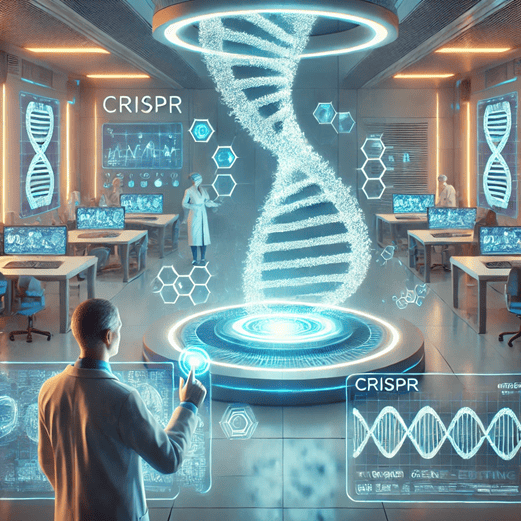
Crispr and the future of medicine
CRISPR (Clustered Regularly Interspaced Short Palindromic Repeats) is considered one of the most significant advancements
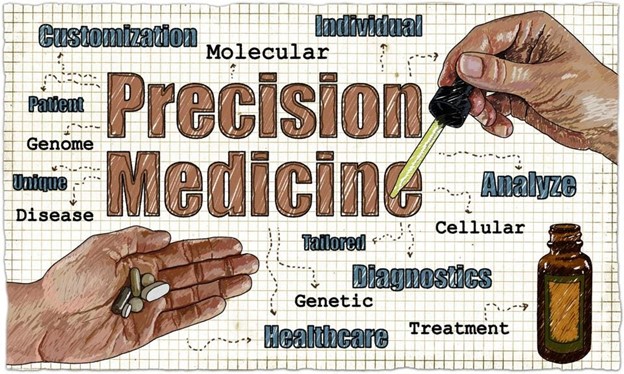
The rise of personalized medicine
Personalized medicine, also known as precision medicine, is an innovative approach to medical treatment and care
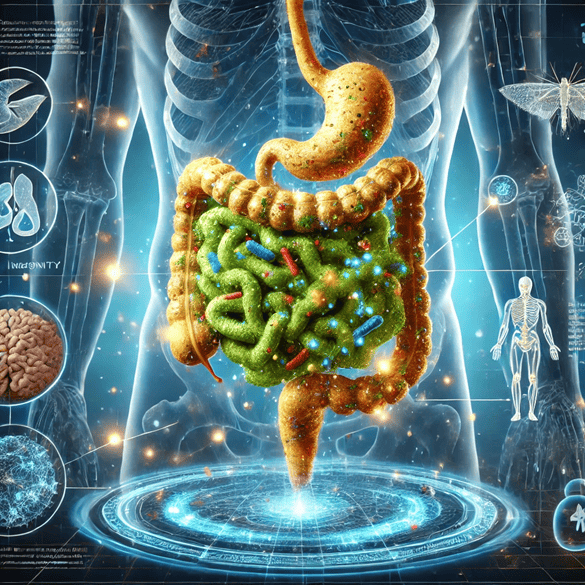
Microbiome: The impact of gut health on overall health
The human microbiome is a vast community of trillions of microorganisms—including bacteria, viruses, fungi, and other
Crispr and the future of medicine
A Revolutionary Approach to Gene Editing
CRISPR (Clustered Regularly Interspaced Short Palindromic Repeats) is considered one of the most significant advancements in genetic and medical research. Originally discovered as a natural defense mechanism in bacteria against viruses, CRISPR has evolved into a powerful tool that enables scientists to precisely edit DNA sequences in living organisms. Its discovery revolutionized the field of genetics by offering a simple, cost-effective, and highly accurate method for DNA editing.
At the core of CRISPR technology lies the Cas9 protein, which acts as a “molecular scissor,” capable of cutting DNA at specific locations. The system uses a guide RNA (gRNA), specifically designed to recognize a target genetic sequence, which directs Cas9 to the precise location needing modification. Once the DNA is cut, the cell’s repair mechanisms are triggered, allowing scientists to insert, delete, or replace genetic material. This precise gene editing ability opens the door to treating genetic diseases, enhancing crop yields, and even combating infectious diseases. Researchers are also exploring CRISPR applications beyond DNA editing, including RNA modification and epigenetic changes with potential therapeutic benefits.
CRISPR’s accessibility and versatility have sparked enormous excitement in the scientific community. Unlike earlier gene-editing technologies that were expensive and time-consuming, CRISPR allows for relatively easy customization and can be used across a wide range of organisms, from bacteria and plants to animals and humans. As a result, CRISPR has not only revolutionized medical research but also improved agricultural biotechnology—enabling scientists to develop disease-resistant crops, enhance food security, and reduce the need for chemical pesticides.
Medical Applications and Future Potential
CRISPR’s impact on medicine is profound. Researchers are investigating its use to correct genetic mutations responsible for hereditary disorders such as sickle cell anemia, cystic fibrosis, and Huntington’s disease. For instance, in the case of sickle cell anemia, scientists have successfully used CRISPR to edit bone marrow cells, correcting the genetic mutation and potentially offering a permanent cure. Studies are also underway to develop CRISPR-based treatments for muscular dystrophy, a debilitating condition caused by genetic defects in muscle cells.
CRISPR’s ability to modify immune cells has paved the way for innovative cancer therapies. One approach involves editing a patient’s T cells to enhance their ability to identify and destroy cancer cells. Known as CAR-T cell therapy, this method has shown promising results in treating leukemia and lymphoma. Furthermore, scientists are exploring how CRISPR can increase tumor sensitivity to chemotherapy and radiation by altering genes involved in drug resistance. Clinical trials are currently underway to evaluate the safety and effectiveness of CRISPR-based treatments, potentially leading to breakthroughs in cancer care and personalized medicine.
Beyond genetic diseases and cancer, CRISPR is also being studied as a potential method to treat viral infections like HIV and hepatitis B. Researchers aim to use CRISPR to target and eliminate viral DNA from infected cells, which could eradicate these infections at the genetic level. While these studies are still in early stages, the ability to remove viruses from the body could lead to revolutionary treatments for chronic viral diseases that currently have no cure.
Several CRISPR-based therapies have already reached clinical trial stages, and some have received regulatory approvals. A notable example is Casgevy (exagamglogene autotemcel), developed by Vertex Pharmaceuticals and CRISPR Therapeutics to treat sickle cell anemia and beta-thalassemia. This therapy edits a patient’s blood stem cells to boost fetal hemoglobin production, reducing disease symptoms. Another promising therapy is NTLA-2001, developed by Intellia Therapeutics, the first in vivo (within the body) CRISPR-based treatment for transthyretin amyloidosis (ATTR), a rare and life-threatening genetic disorder.
Challenges and Ethical Considerations
Despite its immense potential, CRISPR faces several challenges. One major concern is the risk of unintended genetic changes, known as off-target effects. Since CRISPR relies on a guide RNA to identify DNA sequences, there’s a possibility of mistakenly editing similar regions of the genome, which could have unpredictable consequences. Scientists are working to improve the precision of the technology and are developing newer versions like CRISPR-Cas12 and CRISPR-Cas13, which may reduce these risks.
Another challenge involves the ethical implications of human genetic modification. The ability to edit genes in human embryos raises concerns about “designer babies,” genetic enhancement, and unintended societal consequences. Many countries have strict regulations regarding human genome editing, and the scientific community continues to debate the ethical boundaries of using CRISPR for non-therapeutic purposes.
Regulatory standards also vary globally, with some countries permitting CRISPR-based clinical trials while others impose strict limitations. The future of CRISPR in medicine depends on ongoing research, ethical discussions, and the development of global regulatory frameworks to ensure the technology is used safely and responsibly.
Nevertheless, with continued advancements, CRISPR has the potential to revolutionize medicine by providing precise and effective treatments for a wide range of genetic and non-genetic diseases. It could pave the way for a future where many previously untreatable conditions become manageable—or even curable—offering new hope to millions of patients around the world.