
Other Blogs

Crispr and the future of medicine
CRISPR (Clustered Regularly Interspaced Short Palindromic Repeats) is considered one of the most significant advancements
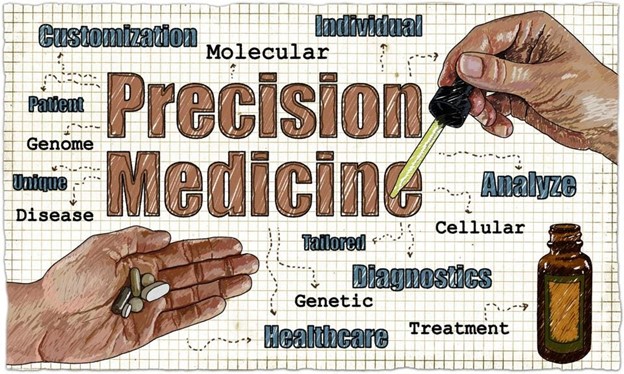
The rise of personalized medicine
Personalized medicine, also known as precision medicine, is an innovative approach to medical treatment and care

Microbiome: The impact of gut health on overall health
The human microbiome is a vast community of trillions of microorganisms—including bacteria, viruses, fungi, and other
The rise of personalized medicine
Introduction: What Is Personalized Medicine?
Personalized medicine, also known as precision medicine, is an innovative approach to medical treatment and care that customizes therapy for each individual patient. Unlike the traditional “one-size-fits-all” model, personalized medicine considers a person’s genetic makeup, environmental factors, and lifestyle to develop more effective treatment plans tailored to their unique needs. This patient-centered approach goes beyond conventional treatments by offering more efficient and safer therapeutic methods, reducing the likelihood of adverse side effects.
At the heart of personalized medicine lies the understanding that no two individuals are genetically identical. Variations in DNA affect how people respond to medications, how diseases progress, and how effective treatments are. By accounting for these genetic differences, doctors can optimize care and choose therapies that specifically target the underlying causes of disease, rather than merely alleviating symptoms. This level of treatment precision can significantly improve outcomes, particularly for complex, chronic, or genetically-influenced conditions.
Personalized medicine encompasses a wide range of tools and techniques such as genetic testing, biomarker identification, and advanced imaging technologies, all of which provide deeper insights into each patient’s unique needs. As genomic research progresses, personalized medicine holds the potential to revolutionize healthcare by delivering more targeted therapies that align with individual biological profiles.
Pharmacogenetics: How Genetic Testing Helps Doctors Prescribe the Right Medication
One of the key elements of personalized medicine is pharmacogenetics — the study of how an individual’s genetic traits influence their response to medications. By analyzing a patient’s genetic information, physicians can predict how a person will metabolize or react to a particular drug, allowing for more precise prescriptions. This avoids the traditional trial-and-error method of prescribing and helps prevent harmful side effects or ineffective treatments.
For instance, certain genetic variations may cause individuals to metabolize drugs too quickly, rendering them less effective. Conversely, some may metabolize medications too slowly, leading to drug buildup and a higher risk of toxicity. Pharmacogenetic testing can identify these genetic differences and help doctors prescribe medications that are better suited to the patient’s specific condition. This is especially important in the treatment of cardiovascular diseases, psychiatric disorders, and cancer, where drug type and dosage can vary greatly from person to person.
Pharmacogenetics is increasingly being integrated into medical practice, and genetic testing is becoming a more common part of healthcare. This empowers both patients and healthcare providers to make more informed decisions and improve treatment outcomes.
Personalized Cancer Treatments: Targeted Therapies
One of the most promising applications of personalized medicine is in cancer treatment. Traditionally, cancer has been treated with standard methods such as chemotherapy and radiation therapy, which often come with severe side effects. Personalized medicine, however, offers a more precise approach by focusing on specific genetic mutations and changes that drive cancer cell growth.
Targeted cancer therapies are designed to directly attack the molecules or genetic drivers of cancer, causing less harm to healthy tissue and enhancing treatment effectiveness. For example, drugs like imatinib for chronic myeloid leukemia (CML) and trastuzumab for HER2-positive breast cancer target specific molecules involved in cancer progression, offering more precise and less toxic treatment options.
In addition to targeted therapies, immunotherapy has emerged as a groundbreaking advancement in cancer treatment. Techniques such as CAR-T cell therapy genetically modify a patient’s T-cells to identify and attack cancer cells. This approach has shown promising results for patients with blood cancers such as leukemia and lymphoma.
These personalized treatments are not only transforming how cancer is treated but also offering new hope for patients with previously difficult-to-treat or incurable cancers. As cancer genomics research continues to evolve, more targeted therapies will emerge, improving cancer treatment outcomes.
Wearable Technologies and Artificial Intelligence: The Role of Technology in Personal Health Monitoring
The integration of wearable technologies and artificial intelligence (AI) is reshaping how personalized medicine is implemented in daily healthcare. Devices like smartwatches, fitness trackers, and continuous glucose monitors collect real-time health data such as heart rate, sleep patterns, physical activity, and even blood pressure.
Combining these technologies with AI allows both doctors and patients to better understand health trends and detect potential problems before they become serious. AI algorithms can process vast amounts of data and personalize treatment plans based on an individual’s information and lifestyle.
Challenges and the Future: Cost, Accessibility, and Ethical Considerations
Despite its tremendous potential, personalized medicine faces several challenges. One of the main obstacles is the high cost of personalized treatments, which often require advanced technologies and genetic testing. This can limit access to personalized care for some patients, particularly those in low-income regions or without sufficient insurance coverage.
Another challenge involves ethical considerations. The use of genetic information raises important issues regarding privacy and the potential for discrimination based on genetic predispositions. There are also concerns about how genetic data is stored, shared, and used—especially as AI and big data become more prevalent in healthcare.
Conclusion
Personalized medicine is reshaping the landscape of healthcare. With advancements in pharmacogenetics, cancer therapies, and AI integration, it is paving the way toward more effective treatments with fewer side effects. Despite existing challenges, the future of personalized medicine is bright, with the promise of transforming healthcare into a more precise, efficient, and patient-centered system.