
Other Blogs

Gene Therapy: A New Frontier in Medicine

What Is Gene Therapy?
Gene therapy is a revolutionary approach to treating diseases by modifying genetic material within a person’s cells. Unlike traditional treatments that manage symptoms, gene therapy targets the root genetic cause. By replacing faulty genes, repairing damaged ones, or adding new functional genes, it offers long-term or even permanent solutions for previously incurable genetic conditions.

How Does Gene Therapy Work?
It uses viral and non-viral methods to deliver therapeutic genes into cells. Viruses are engineered to be safe carriers due to their natural ability to enter cells. Non-viral methods involve chemicals, liposomes, or physical techniques like electroporation. While non-viral approaches are considered safer, viral vectors remain more efficient.

FDA-Approved Gene Therapies
Notable FDA-approved treatments include Zolgensma, for spinal muscular atrophy (SMA), and Luxturna, for inherited retinal disease leading to blindness. These therapies insert functional copies of defective genes to restore lost functions.

Challenges and Risks
Gene therapy is costly, limiting access for many. There are also concerns about immune reactions to viral vectors and unknown long-term effects of genetic alterations. Ongoing monitoring and research are vital to ensuring safety and effectiveness.

The Future of Gene Therapy
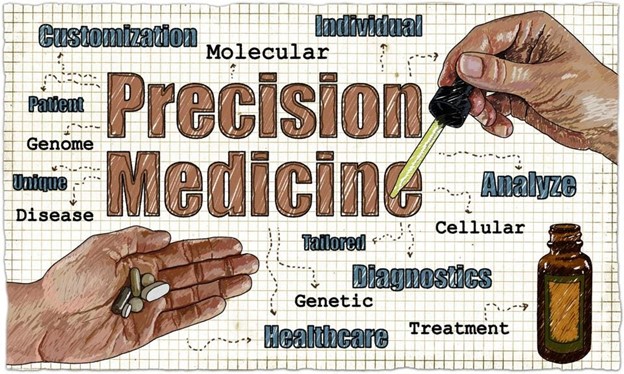
The future looks promising, with expanding applications in treating neurological disorders, cancers, and rare diseases. As technology advances, gene therapy may become a standard, personalized medical treatment tailored to individual genetic profiles.

Conclusion
Gene therapy holds transformative potential in modern medicine. Though challenges remain, its ability to address the root cause of genetic diseases brings new hope for many patients and could redefine the future of healthcare.