
Other Blogs
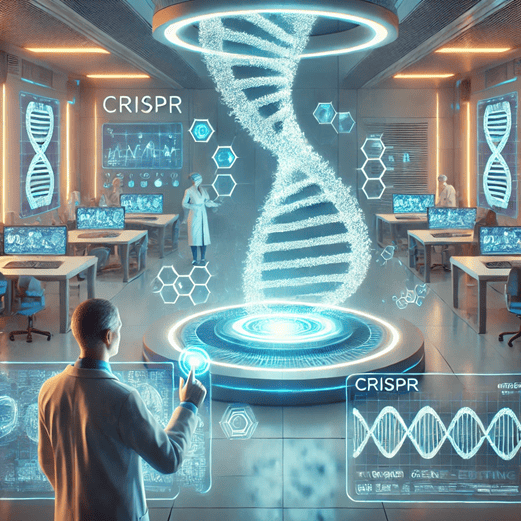
Crispr and the future of medicine
CRISPR (Clustered Regularly Interspaced Short Palindromic Repeats) is considered one of the most significant advancements
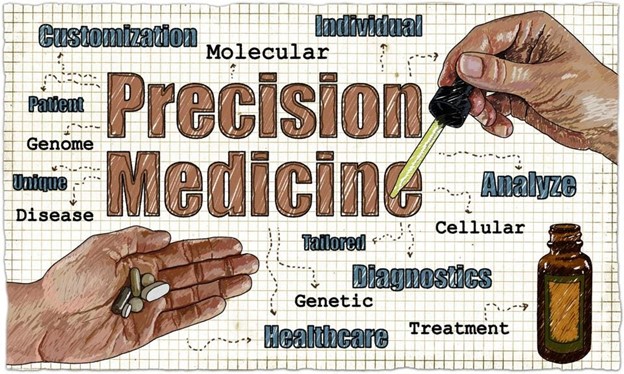
The rise of personalized medicine
Personalized medicine, also known as precision medicine, is an innovative approach to medical treatment and care
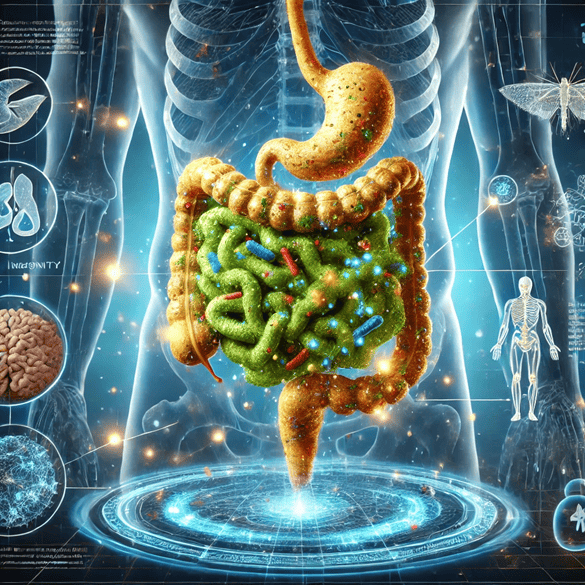
Microbiome: The impact of gut health on overall health
The human microbiome is a vast community of trillions of microorganisms—including bacteria, viruses, fungi, and other
Microbiome: The impact of gut health on overall health
The human microbiome is a vast community of trillions of microorganisms—including bacteria, viruses, fungi, and other microbes—that live in and on our bodies. These microorganisms are especially abundant in the gut, and their number outpaces human cells by a ratio of 10 to 1. Although having so many foreign microbes in the body might sound alarming, they play a vital role in maintaining our health and well-being. In fact, the microbiome is often referred to as the “second genome” because it contributes to many biological functions that the human genome alone cannot perform.
The microbiome is involved in a wide range of bodily processes. It helps digest food, produces essential vitamins (such as vitamin K and certain B vitamins), regulates metabolism, and protects the body from harmful pathogens. Additionally, the microbiome plays a critical role in the development and function of the immune system, helping the body properly identify and respond to infections. Research has shown that a healthy microbiome is essential for overall health, and any imbalance—known as dysbiosis—can lead to a variety of problems, including digestive disorders, autoimmune diseases, and even mental health issues.
As medical science advances, researchers are increasingly recognizing the importance of maintaining a healthy gut microbiome for overall well-being. Scientific evidence shows that microbiome health directly affects how we feel, how our bodies function, and even how vulnerable we are to disease. From digestion to immunity and even mental health, the microbiome plays a fundamental role in nearly every aspect of our health.
The Gut-Brain Connection
One of the most fascinating and rapidly growing areas of microbiome research is the relationship between gut health and mental health, often referred to as the “gut-brain axis.” The gut and brain are connected through a communication network that includes neural, hormonal, and immune pathways. This connection allows gut microbiome signals to influence brain function—and vice versa. For example, gut bacteria help produce and regulate neurotransmitters like serotonin and dopamine, which affect mood, stress, and cognitive function.
Recent studies suggest that an imbalance in the gut microbiome (dysbiosis) may contribute to mental disorders such as anxiety, depression, and even more complex conditions like autism spectrum disorders and schizophrenia. Scientists have found that individuals with disrupted gut microbiomes often exhibit higher levels of inflammation in the body, which is linked to mental health issues. Moreover, an unbalanced microbiome can alter the production of key brain chemicals, affecting mood and behavior.
Interestingly, this connection is bidirectional—meaning that psychological stress, poor mental health, and emotional disturbances can also impact gut health, creating a vicious cycle of gut-brain disorders. Therefore, maintaining a healthy microbiome is crucial not only for physical health but also for mental well-being. Improving gut health may help prevent or even treat certain mental health conditions, paving the way for new medical therapies.
The Role of the Microbiome in Immune Function
The microbiome is a cornerstone of the immune system, helping distinguish harmful pathogens from harmless substances. A balanced microbiome supports immune function and ensures that the body can effectively defend against infections. It also helps regulate inflammation, which is vital for keeping the immune system in balance. Chronic inflammation can lead to autoimmune diseases, where the immune system mistakenly attacks the body’s own tissues.
Disruptions in the microbiome (dysbiosis) are linked to a wide range of autoimmune diseases such as rheumatoid arthritis, multiple sclerosis (MS), and inflammatory bowel diseases (IBD) like Crohn’s disease and ulcerative colitis. In these conditions, the immune system becomes overactive, leading to inflammation and damage to healthy tissues. Additionally, an imbalanced microbiome can weaken the body’s defenses against infections, making individuals more vulnerable to various illnesses.
Maintaining a healthy microbiome is essential for strengthening the immune system. A balanced microbiome helps immune cells recognize harmful invaders and prevents them from attacking the body’s own tissues. This can reduce the risk of autoimmune diseases, chronic inflammation, and infections, supporting overall health and longevity.
Probiotics, Prebiotics, and Diet
Supporting a healthy gut microbiome requires a balanced diet and the consumption of substances that promote gut health, such as probiotics and prebiotics.
Probiotics are beneficial bacteria that help maintain or restore the balance of the gut microbiome. These bacteria are found in foods like yogurt, kefir, kimchi, and sauerkraut.
Prebiotics are indigestible fibers that act as food for beneficial bacteria. These are found in foods like garlic, onions, bananas, and whole grains. A diet rich in prebiotics promotes the growth of good bacteria and enhances gut health.
Additionally, a diverse and nutrient-rich diet plays a key role in maintaining a healthy microbiome. Fruits, vegetables, and whole grains provide the fiber and antioxidants needed to nourish gut bacteria. In contrast, processed foods high in sugar and fat can encourage the growth of harmful bacteria and reduce microbiome diversity. Along with a healthy diet, regular exercise, sufficient sleep, and stress reduction also help balance the microbiome and improve overall well-being.
Looking Ahead: Microbiome-Based Therapies
As microbiome research continues, innovative therapies are emerging that could revolutionize the way diseases are prevented and treated.
Fecal Microbiota Transplantation (FMT) is one such therapy in which stool from a healthy donor is transferred to a patient with microbiome imbalance. This method has been effective in treating Clostridium difficile infections and is being studied for conditions like Irritable Bowel Syndrome (IBS) and Inflammatory Bowel Diseases (IBD).
Customized probiotics are also being developed. By analyzing an individual’s microbiome profile, personalized probiotic supplements can be created to improve their specific health needs.
Ultimately, microbiome research has the potential to transform the future of medicine by offering new treatment approaches for a wide range of diseases.