
Other Blogs
Crispr and the future of medicine
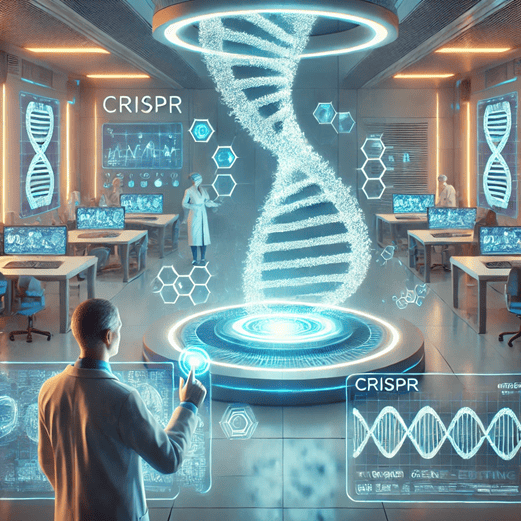
CRISPR (Clustered Regularly Interspaced Short Palindromic Repeats) is considered one of the most significant advancements
The rise of personalized medicine
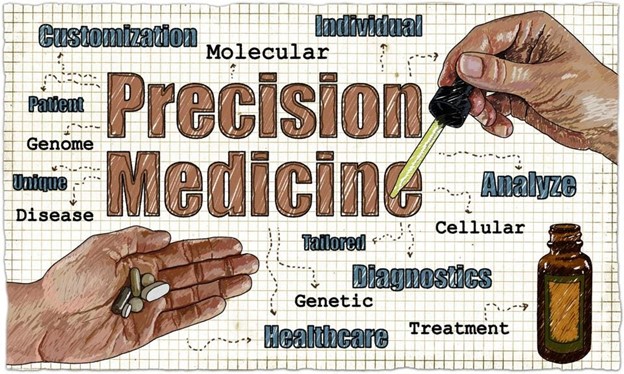
Personalized medicine, also known as precision medicine, is an innovative approach to medical treatment and care
Microbiome: The impact of gut health on overall health
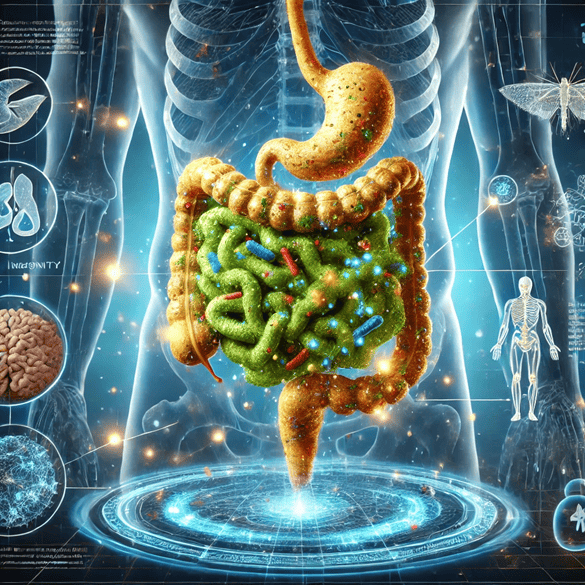
The human microbiome is a vast community of trillions of microorganisms—including bacteria, viruses, fungi, and other
The impact of 3D printing in healthcare

Introduction: What Is 3D Printing and How Is It Used in Medicine?
3D printing, also known as additive manufacturing, is an innovative technology that creates three-dimensional objects by adding material layer by layer based on a digital model. This technology has revolutionized various industries, with healthcare being one of the most significantly impacted sectors. In medicine, 3D printing enables the production of medical devices, prosthetics, implants, and even custom tissues and organs. Its ability to create treatment solutions tailored to individual patient needs has paved the way for personalized therapies and enhanced patient experiences.
In the healthcare field, 3D printing is used to create artificial limbs, implants, surgical guides, anatomical models, and more. What makes 3D printing transformative is its capability to produce customized products that match a patient’s unique anatomy, resulting in more precise and effective treatments. Unlike traditional manufacturing methods that rely on molding and mass production, 3D printing offers personalized solutions without the need for costly tools and lengthy processes. Additionally, this technology can reduce medical costs, improve surgical outcomes, and shorten recovery times.
As 3D printing technology continues to evolve, its applications in medicine are expected to expand further. Ongoing innovations in bioprinting, custom prosthetics, and drug manufacturing highlight a promising future for this technology in healthcare. However, like any emerging technology, there are challenges such as regulatory issues, costs, and ethical considerations that must be addressed. Despite these challenges, 3D printing is poised to reshape the future of medicine in exciting and profound ways.
Bioprinting: Printing Human Tissues and Organs for Transplantation
One of the most revolutionary and exciting aspects of 3D printing in medicine is bioprinting, which involves using 3D printing technology to create human tissues and, ultimately, transplantable organs. Bioprinting uses “bio-inks” composed of living cells and other biological materials to create tissue structures that function similarly to natural human tissues. The ultimate goal of this technology is to produce fully functional organs like kidneys, livers, and hearts for transplantation.
Currently, bioprinting is used to produce simpler tissues such as skin, cartilage, and blood vessels. Researchers are exploring the possibility of printing more complex structures like parts of the liver and heart. The benefits of bioprinting in organ transplantation are vast—it can reduce transplant wait times, eliminate the need for donors, decrease the risk of rejection, and enable personalized treatment options. However, significant challenges remain, such as creating vascular systems within printed tissues and ensuring their long-term functionality.
Despite these challenges, the potential of bioprinting to revolutionize organ transplantation is immense, and ongoing advancements are bringing this technology closer to reality each day. As the field develops, bioprinting is expected to play a critical role in addressing the global shortage of transplant organs and delivering life-saving treatments.
Custom Prosthetics and Implants: Personalized Solutions for Patients
Another major application of 3D printing in medicine is the production of custom prosthetics and implants. Traditional methods typically rely on mass production, which may not suit every patient. However, 3D printing enables the creation of prosthetics and implants tailored to the specific needs of each individual, enhancing comfort, performance, and overall quality of life.
For instance, 3D printing allows the production of prosthetics that are perfectly shaped to fit a patient’s body, offering better comfort and functionality. Beyond better fit, 3D printing enables the creation of prosthetics with more complex features, such as independently moving fingers or custom aesthetic designs. This level of personalization not only improves physical function but also enhances the psychological well-being of patients.
Additionally, 3D-printed implants are being used to create custom dental implants, spinal implants, and joint replacements that match the patient’s unique anatomical structure. This approach reduces complications such as implant rejection or infection and helps speed up recovery times.
3D-Printed Pharmaceuticals: Customized Dosages and Release Profiles
In addition to producing personalized medical devices, 3D printing has made significant advancements in the field of pharmaceuticals. This technology allows for the customization of drug dosages, formulations, and release profiles based on individual patient needs. Unlike traditional pharmaceutical manufacturing, which primarily involves producing standard tablets, 3D printing can create medications with highly tailored features, including precise dosages and controlled-release properties.
For example, 3D-printed pills can be designed to release active ingredients gradually over time, optimizing therapeutic effects and reducing side effects. This approach is particularly useful for medications that require precise dosage control, such as painkillers or diabetes treatments. Moreover, 3D printing makes it possible to combine multiple drugs into a single pill, improving patient adherence to treatment regimens.
The technology can also offer more affordable and accessible treatment options for rare diseases by enabling small-batch drug production. This personalization is especially valuable in cases where existing treatments are ineffective or unavailable.
The Future of 3D Printing in Healthcare: Advancements, Challenges, and Ethical Considerations
The future of 3D printing in medicine is very promising, with exciting developments on the horizon. As the technology advances, bioprinting may produce fully functional organs for transplant, and 3D-printed prosthetics and implants will continue to improve patient outcomes through customization. Additionally, 3D-printed pharmaceuticals will pave the way for more precise and effective treatments.
However, to fully harness the potential of this technology, challenges such as regulatory hurdles, high costs, and ethical concerns must be addressed. Despite these obstacles, 3D printing has the potential to revolutionize the medical industry by delivering affordable, effective, and personalized treatments to patients.